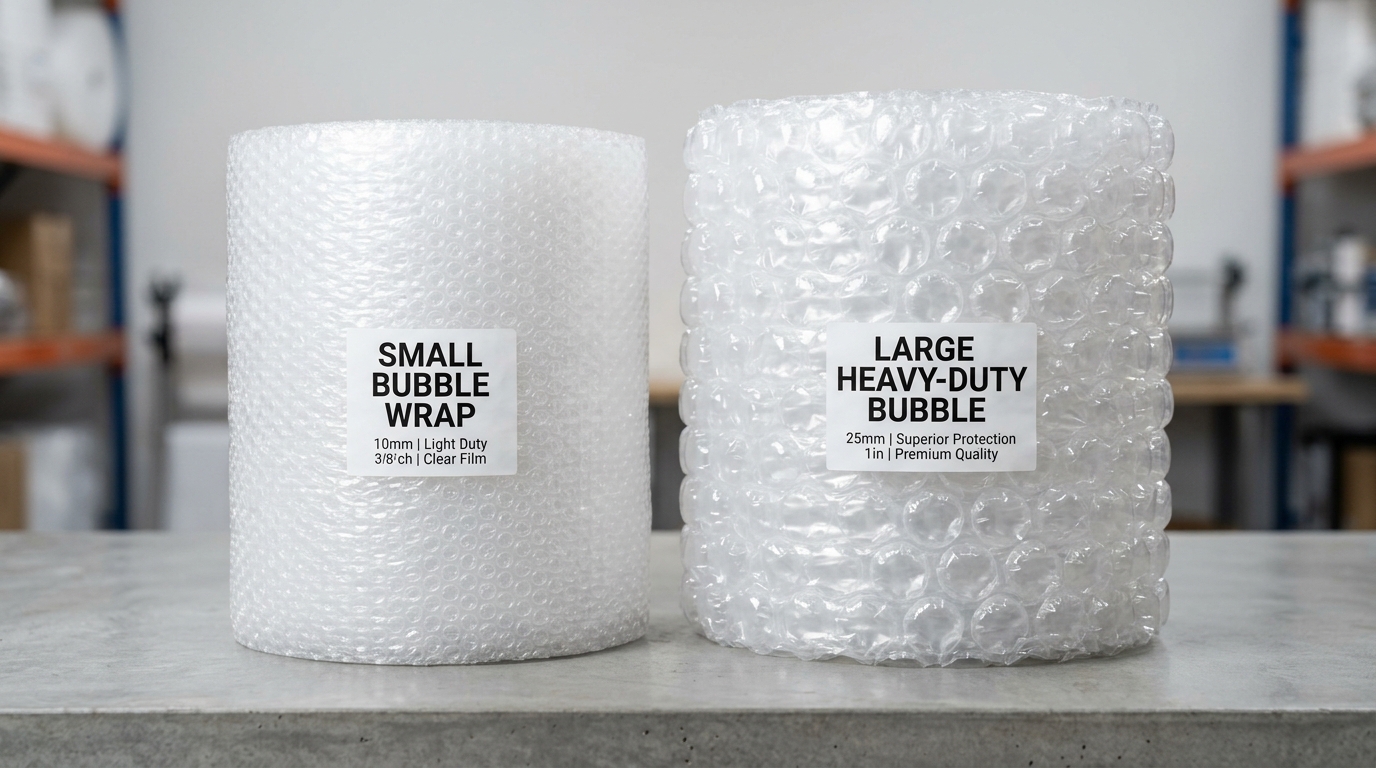
Solving Wrap Rage & Transit Damage: Heavy-Duty Grip Seal Bags vs. Wall Cardboard Boxes
Key Takeaway
Eliminate customer 'wrap rage' and transit returns for heavy, sharp, or irregular items with smart dual-containment packaging strategies.
Wrap Rage—the customer frustration caused by impenetrable tape layers and impossible-to-open parcels—often stems from over-packaging designed to compensate for the wrong primary container. Conversely, under-packaging heavy hardware or sharp fasteners leads to punctured boxes and transit damage returns.
Executive Summary
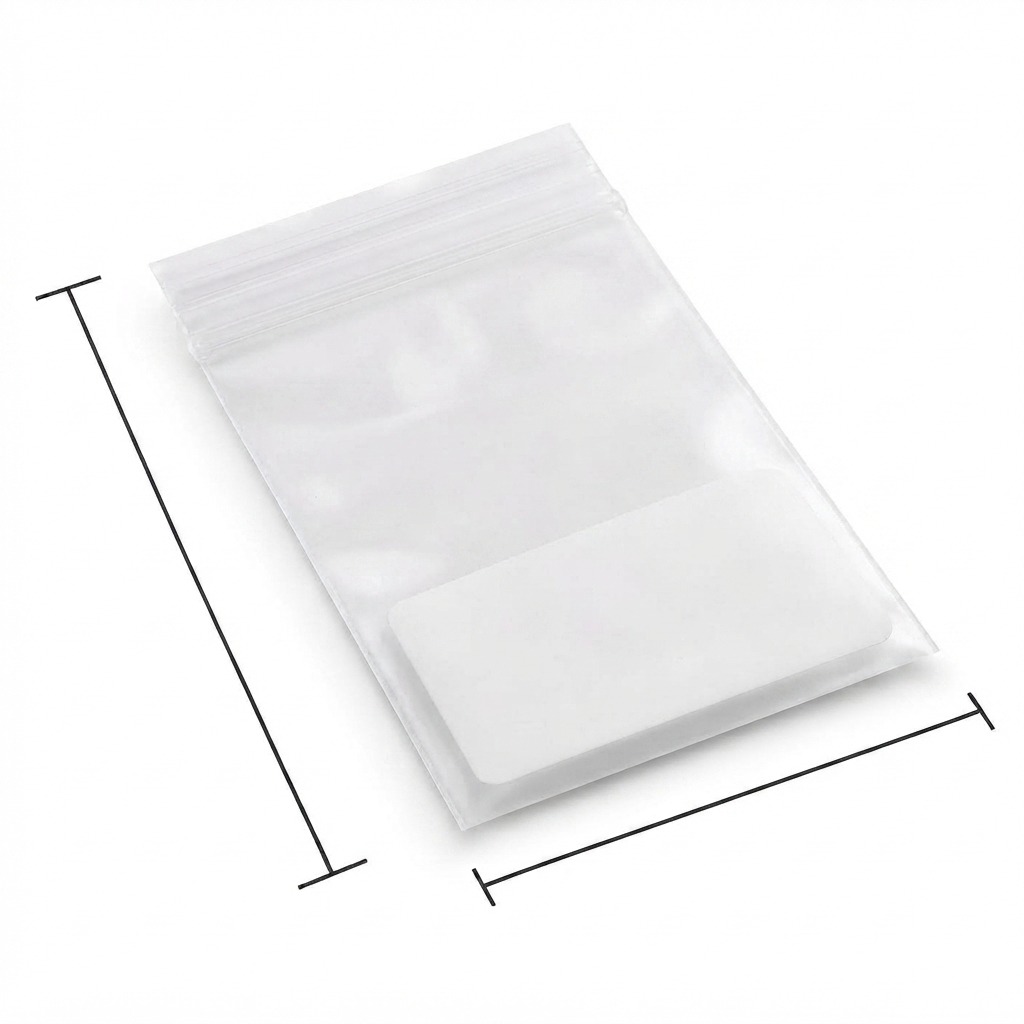
Heavy or sharp items (fasteners, machine tools, engineering spares) should never be loose in cardboard boxes. Encapsulating them in 75-micron (300 gauge) Heavy-Duty Grip Seal Bags prevents puncture, oil leakage, and abrasive box wear while delivering effortless unboxing.
1. The Dual-Containment Engineering Strategy
A single packaging layer rarely solves both internal puncture and external impact resistance. The industry best practice is a two-stage containment architecture:
Stage 1: Primary Sorting (Heavy-Duty Grip Bag)
- • Material: 75-micron / 300 gauge virgin LDPE.
- • Function: Seals out moisture, traps residual machining oils, prevents sharp threads from piercing carton walls.
- • Closure: Squeeze-to-seal airtight interlocking track—zero scissors or utility knife required.
Stage 2: Outer Protection (Corrugated Box)
- • Material: 125KT Single Wall (up to 10kg) or 300KT Double Wall (up to 35kg).
- • Function: Structural rigidity, stackability, impact shock absorption.
- • Result: Box arrives clean and un-compromised, requiring only standard tape closure.
2. Eliminating Customer Frustration at Unboxing
When customers receive heavy parts taped excessively in makeshift bubble wrap, unboxing is dangerous and messy. Storing components in Write-On Panel or Heavy-Duty Grip Seal Bags inside a clean carton allows customers to open the box, inspect labeled parts instantly, and reseal remaining items for future use.
📋 Quick Decision Matrix: Packaging Sharp & Heavy Goods
- Use Heavy-Duty Grip Seal Bags (75mu) if: Kitting fasteners, bolts, precision machined components, or sharp parts before placing into picking bins or outer dispatch cartons.
- Use Double Wall Boxes (300KT) if: Consolidated order weights exceed 15kg or goods are palletized for road freight.
- Use Plain / Write-On Grip Seal Bags (45mu) if: Packaging retail kits (beads, hardware spares, small electronics) where reusability and clear visibility add customer value.
- Use Single Wall Boxes (125KT) if: Assembling gift kits or retail merchandise that require pristine unboxing aesthetics.
Ready to order packaging featured in this guide?
Explore full sizing specs, volume discount tiers, and instant pallet pricing in our live catalog matrix.
Related Technical Guides
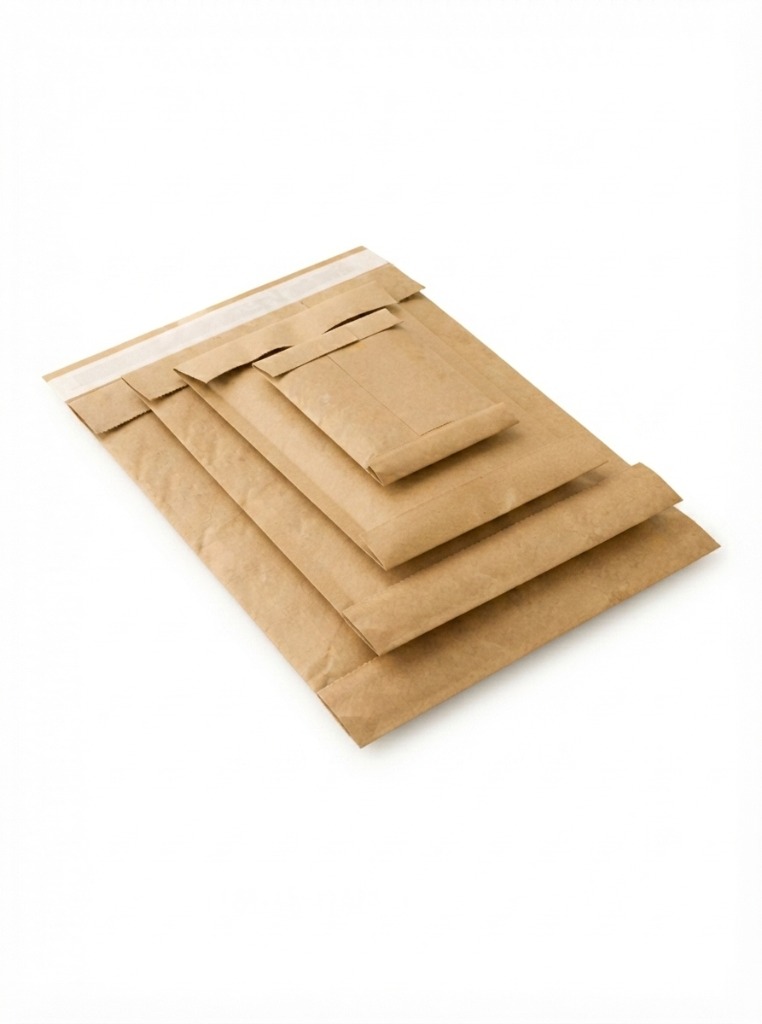
Warehouse Outer Layer Guide: Corrugated Boxes vs. Grey Mailing Bags vs. Jiffy Padded Bags
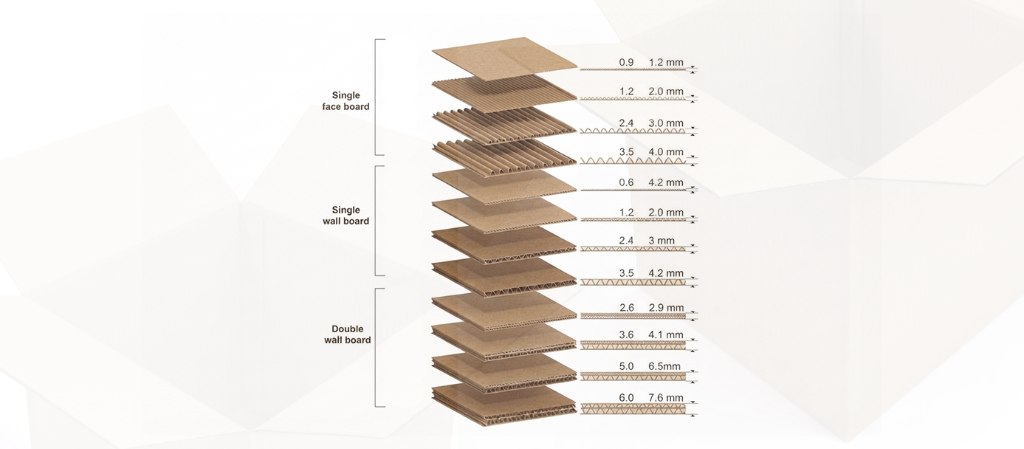
Structural Engineering of Corrugated Boxes: Single vs. Double-Wall Compression & Pallet Stacking
Clothing & Apparel Shipping Guide: Why Grey Mailing Bags & Plain Grip Seal Bags Are the Industry Standard
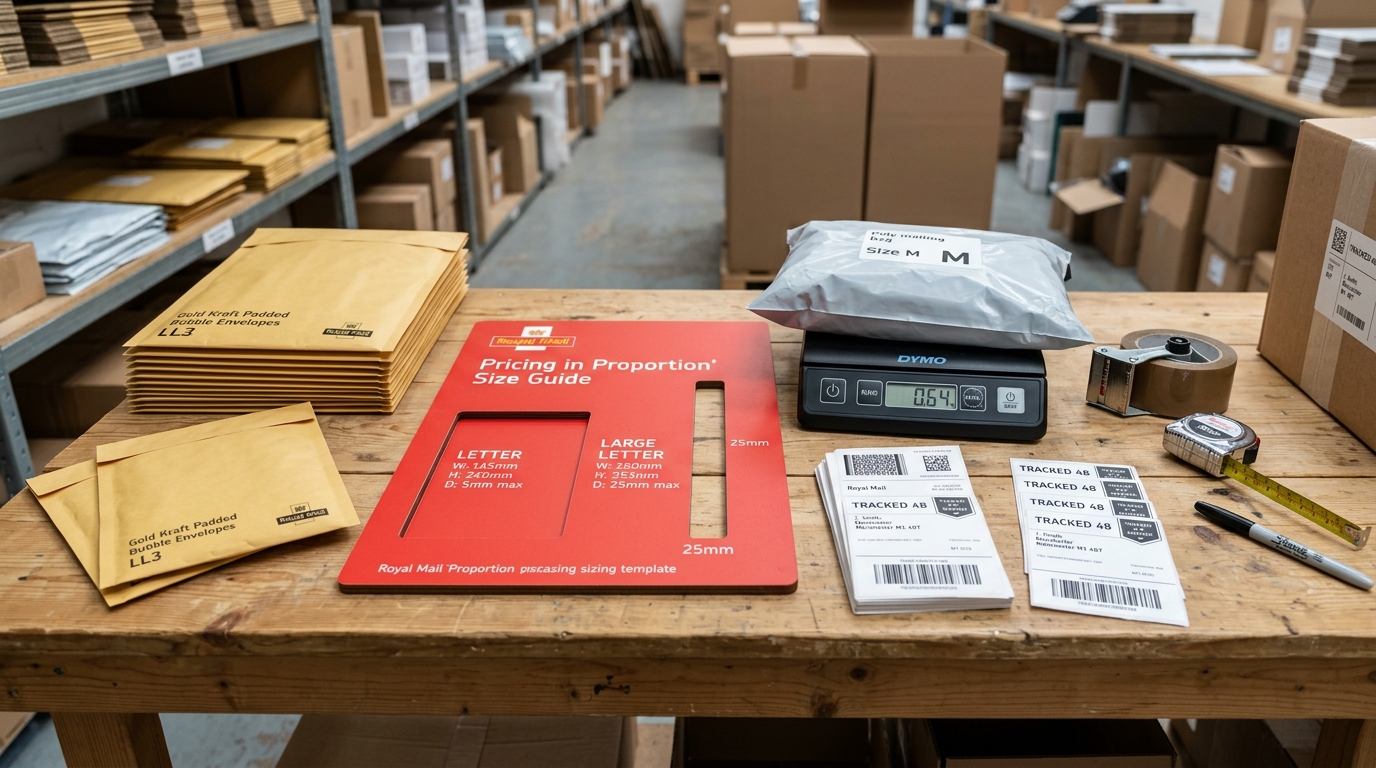
Royal Mail PiP (Pricing in Proportion) & Courier Mailer Sizing Guide
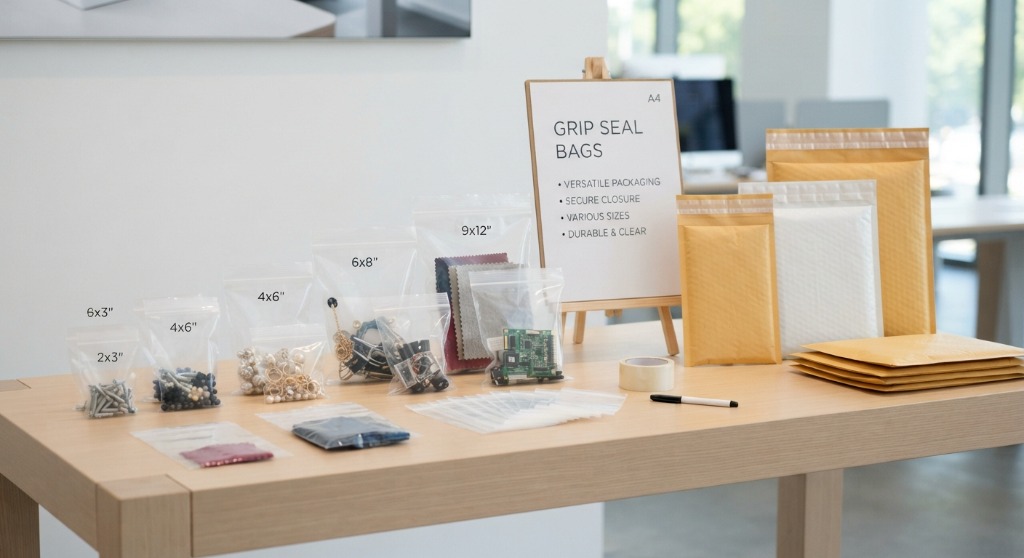
The Boutique Unboxing Formula: Creating Weather-Proof, Luxury Presentations with Grip Bags & Padded Mailers

Loose Fill Peanuts vs. Jiffy Foam Rolls vs. Expandable Hivewrap: Packing Line Throughput vs. Clean Consumer Unboxing
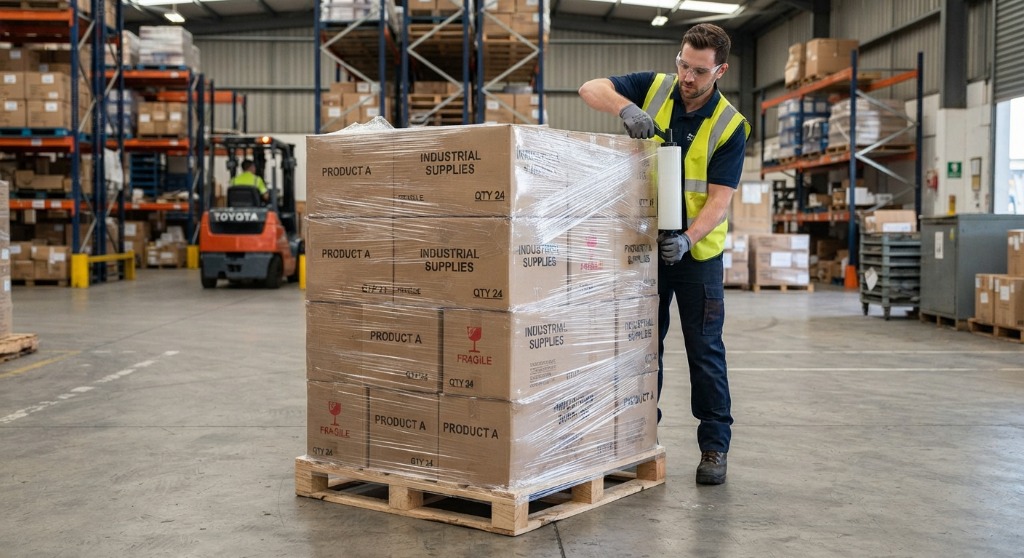
Pallet Stabilization & Stretch Film Yield Optimization: Cast vs. Blown Wrap & Tape Chemistry Comparison