Loose Fill Peanuts vs. Jiffy Foam Rolls vs. Expandable Hivewrap: Packing Line Throughput vs. Clean Consumer Unboxing
Key Takeaway
Compare high-velocity biodegradable loose fill dispensing for automated packing benches against scratch-proof closed-cell PE foam and 100% recyclable honeycomb paper wrap.
Internal protective packaging serves two distinct engineering functions: void filling (preventing items from shifting and sinking during transit) and surface cushioning (preventing abrasions, scratching, and shock vibration). Selecting the wrong medium either inflates warehouse packing cycle times or results in frustrating unboxing messes for consumers.
Executive Summary
100% Compostable GM-Free Corn Starch Loose Fill (EN 13432 certified) offers the fastest overhead hopper dispensing for high-volume fulfillment benches. Jiffy Closed-Cell Foam Rolls deliver zero-abrasion surface defense for polished metals, glass, and wood, while Expandable Hivewrap honeycomb Kraft paper eliminates plastic bubble wrap and reduces warehouse storage volume by up to 90%.
1. Technical & Material Comparison
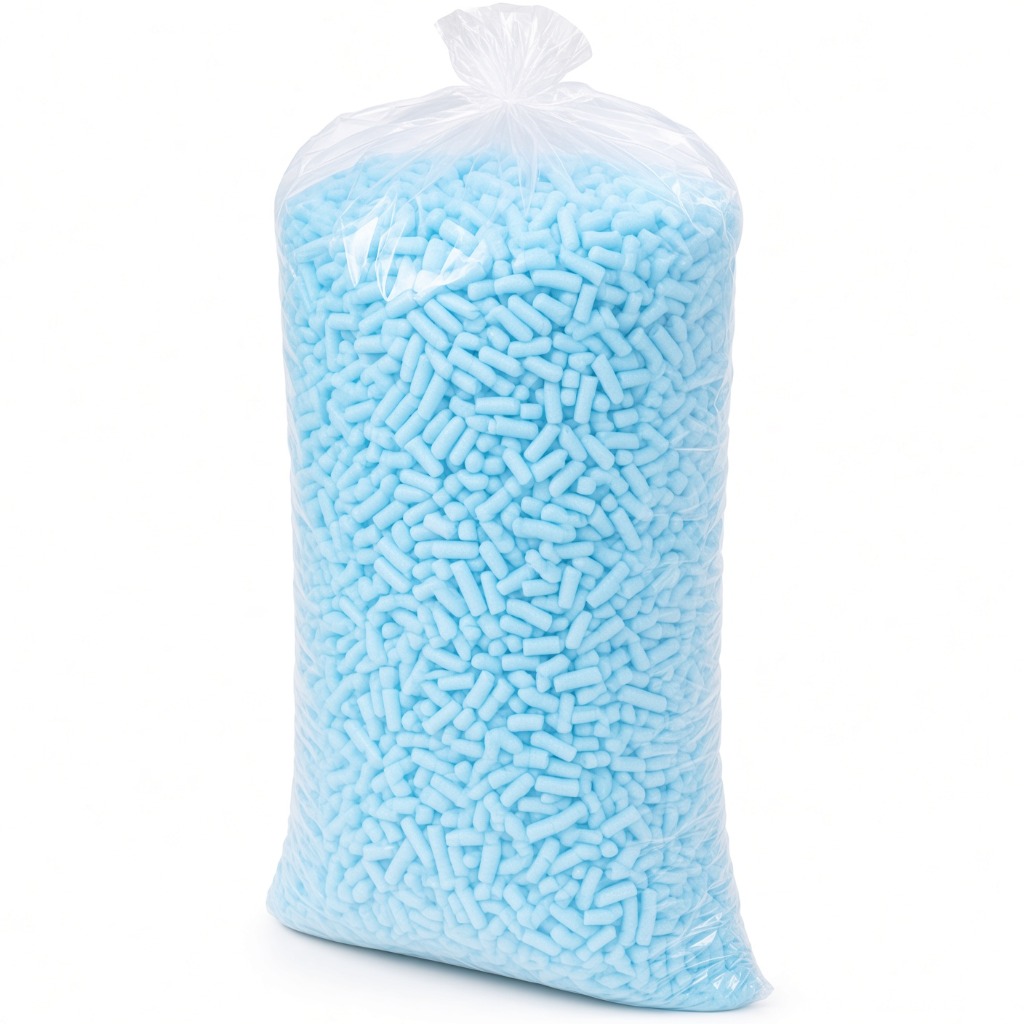
Compostable Bio Loose Fill
Material: 100% natural, water-soluble starch (EN 13432 compostable standard).
Performance: Interlocking ergonomic shape prevents heavy items from sinking; dissolves completely in water.
Best for: Rapid box void filling, irregular industrial shapes, multi-item cartons.
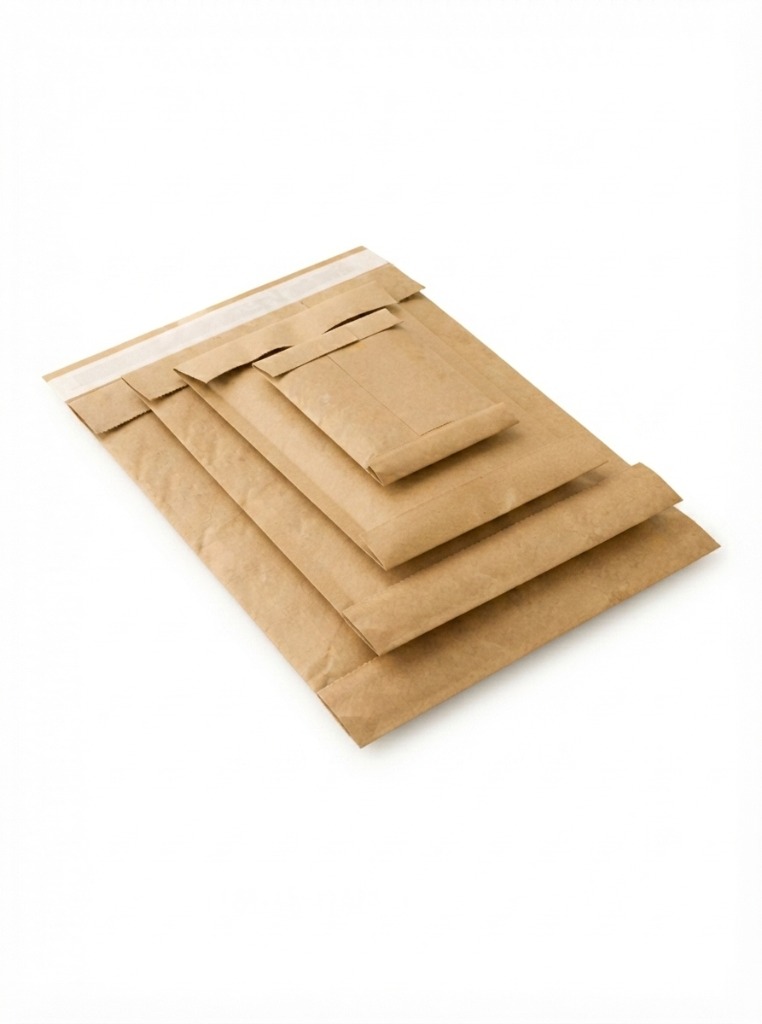
Expandable Hivewrap Paper
Material: 80gsm FSC-certified expandable Kraft paper with interlocking 3D hexagon cells.
Performance: Self-locking web eliminates tape and scissors; 100% kerbside paper recyclable.
Best for: Cosmetics, glassware, luxury retail, plastic-free eco fulfillment.
Jiffy Closed-Cell Foam Rolls
Material: 1.0mm–4.0mm low-density closed-cell polyethylene (LDPE).
Performance: Non-abrasive, dust-free surface shield; chemically inert and moisture-resistant.
Best for: Polished metals, automotive parts, furniture, electronics screens.
2. Warehouse Packing Bench Throughput vs. Consumer Presentation
For B2B Fulfillment Benches: Gravity-fed overhead hopper systems dispensing Bio Loosefill can pack a 300×200×200mm carton in under 4 seconds, cutting labor costs on high-volume conveyor lines. Because the starch peanuts are completely static-free, they do not cling to workers' gloves or electronic circuitry.
For B2C Online Brands: Direct-to-consumer shoppers increasingly demand plastic-free presentation. Expandable Hivewrap allows packing stations to wrap fragile goods in seconds without plastic bubble wrap, creating an organic, premium unboxing aesthetic that can be placed directly into kerbside recycling bins.
📋 Quick Decision Matrix: Choosing the Right Protection Medium
- Choose Bio Loosefill if: Packing over 300 varied-dimension orders daily requiring rapid, weightless void fill that prevents item migration.
- Choose Jiffy Foam Rolls if: Shipping precision-machined metal components or painted panels where micro-scratching causes costly QA rejections.
- Choose Expandable Hivewrap if: You want a 100% sustainable paper unboxing experience that saves up to 90% in roll storage space under packing benches.
- Choose Bio Loosefill if: Sending fragile craft hampers or multi-pack bottles where customers can simply rinse the peanuts away down the sink.
Ready to order packaging featured in this guide?
Explore full sizing specs, volume discount tiers, and instant pallet pricing in our live catalog matrix.
Related Technical Guides
Warehouse Outer Layer Guide: Corrugated Boxes vs. Grey Mailing Bags vs. Jiffy Padded Bags
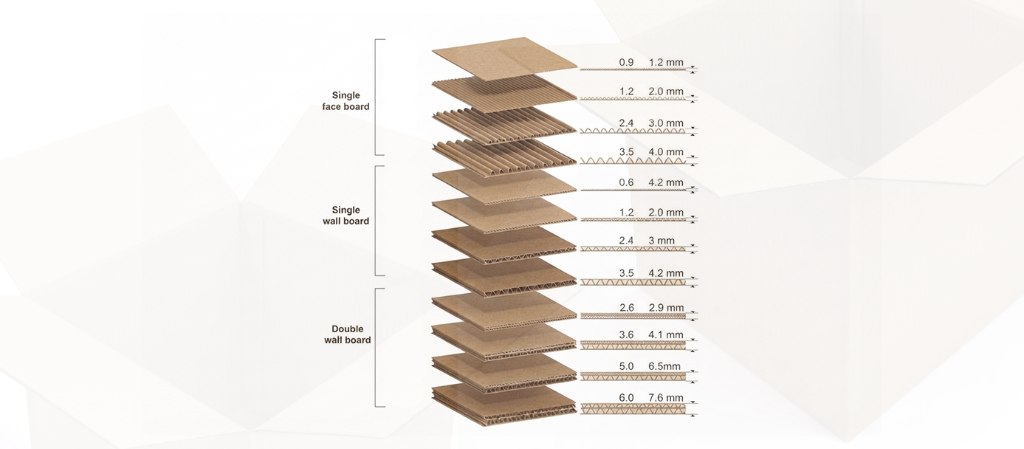
Structural Engineering of Corrugated Boxes: Single vs. Double-Wall Compression & Pallet Stacking
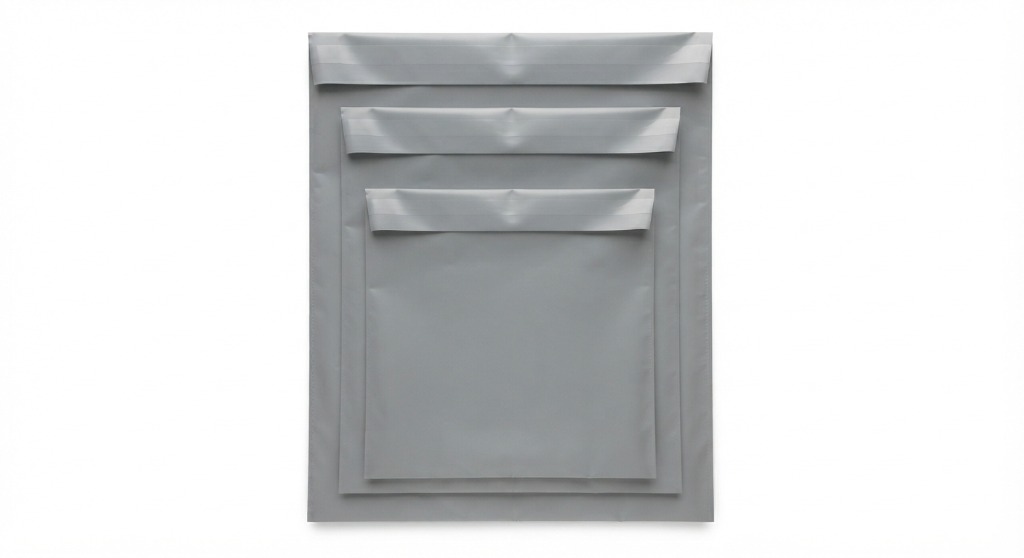
Clothing & Apparel Shipping Guide: Why Grey Mailing Bags & Plain Grip Seal Bags Are the Industry Standard
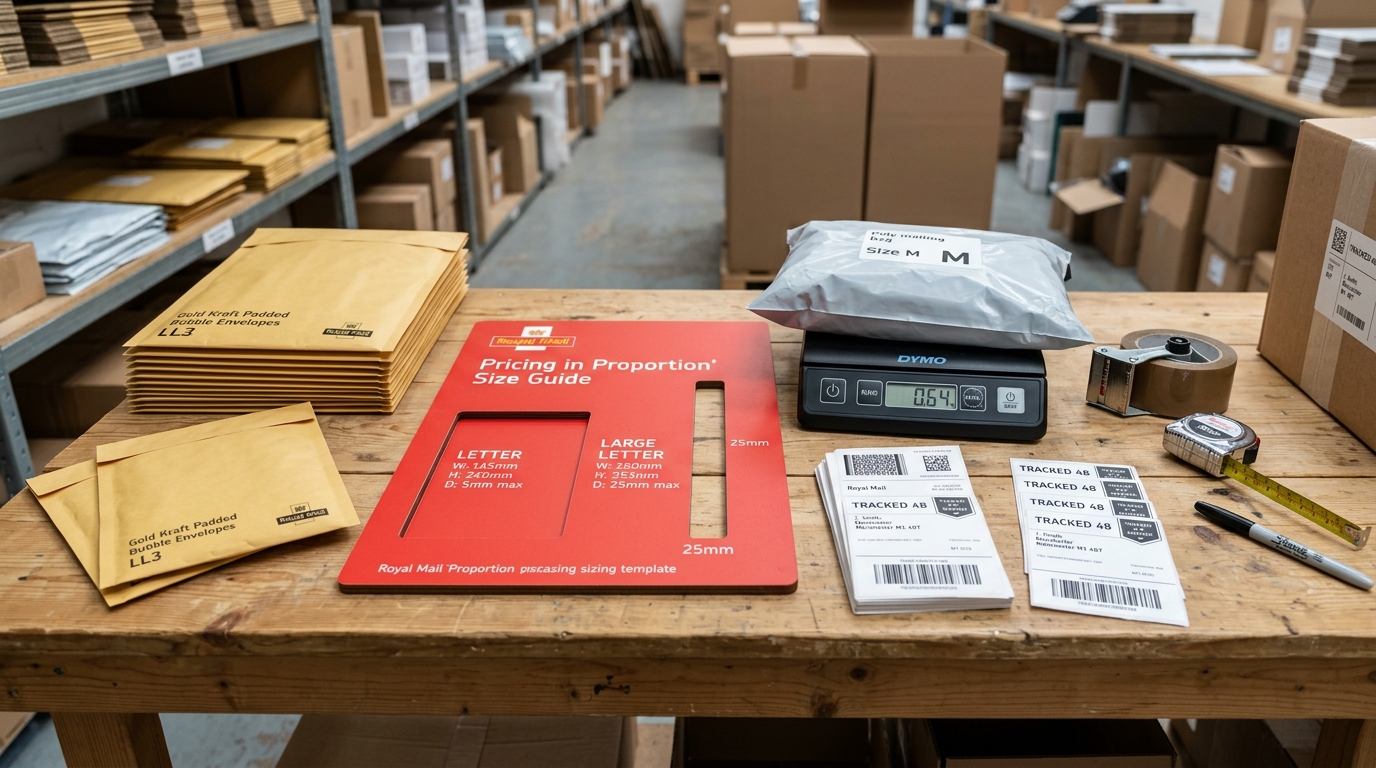
Royal Mail PiP (Pricing in Proportion) & Courier Mailer Sizing Guide
Solving Wrap Rage & Transit Damage: Heavy-Duty Grip Seal Bags vs. Wall Cardboard Boxes
The Boutique Unboxing Formula: Creating Weather-Proof, Luxury Presentations with Grip Bags & Padded Mailers
Pallet Stabilization & Stretch Film Yield Optimization: Cast vs. Blown Wrap & Tape Chemistry Comparison